Flavor in your recipe
Evaluate the matcha in the drink, bake, dessert or production process in which customers will experience it.
 MATCHAB2B EXPORT · BULK · PRIVATE LABEL
For café groups, importers, beverage manufacturers, bakeries and foodservice teams, a useful bulk matcha brief starts with the finished application. Define how the powder must taste, look, mix and perform—then compare samples against that job.
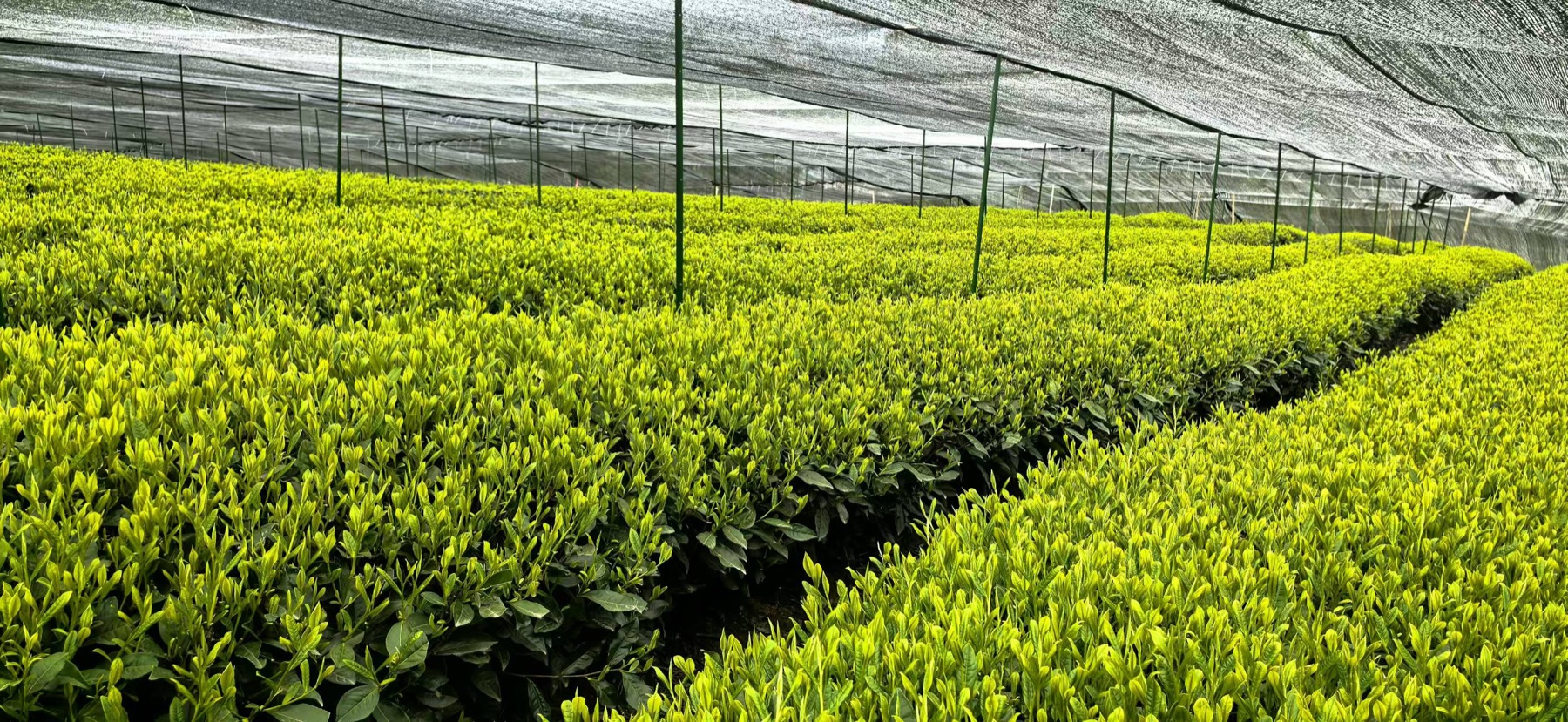
There is no single “best” bulk matcha for every buyer. Your recipe, preparation method, target price position and market shape the sample criteria. We grow tea, process matcha in-house and export; we use the intended application and an agreed specification to guide the product conversation.
Evaluate the matcha in the drink, bake, dessert or production process in which customers will experience it.
Record the appearance of the sample under a consistent preparation method and compare it with your intended use.
Assess dispersion, mouthfeel and process fit using your own water, milk, equipment or production conditions.
Our available garden options include Jingshan in Hangzhou, Anshun in Guizhou and Enshi in Hubei. The internal matcha material also lists Longjing 43, Zhongcha 108, Echa No. 1 and Sichuan Tea No. 9, with spring first-harvest, second-harvest and summer-harvest options.
These are options to discuss, not a promise that every cultivar or harvest is available in every lot. Ask us to confirm the exact garden, cultivar, harvest and lot details for the sample and order you are evaluating.
Our current process notes describe hand-picking, delivery to the factory within about two hours after harvest, steam fixation and mechanical ball-mill grinding that typically takes around 20 hours. We describe this method plainly as ball milling—not stone milling.
Process timing and origin should be tied to the specific production run during quotation and product confirmation. The sample, approved specification and order documents should tell the same story.
Tell us the recipe or process, serving method, market, target volume and what matters most in the finished product.
Use the same recipe and preparation conditions for each sample. Record flavor, appearance, mixing performance and any production constraints.
Confirm the product description, agreed specification, package, order quantity and documents for the destination before quotation and production.
There is no universal answer. Evaluate a sample in your milk, recipe, serving temperature and preparation method. Share your target flavor, color and cost direction so the product discussion is tied to your actual menu.
Yes. Bulk ingredient supply is one of our B2B routes. Pack format, order quantity, specification and timing are confirmed against your project and the selected product.
We recommend defining the product by its agreed specification and the job it must do. Grade labels alone do not tell you how a sample will perform in your recipe; ask what the supplier means by each grade and compare samples in use.
Share the application, destination market, target flavor and appearance, estimated volume, packaging preference and required product or shipment documents. If you already have a specification or target cost, include it.
Ask us to confirm the origin, cultivar and harvest details applicable to the specific sample and lot. Availability can vary by harvest and order; we do not treat general garden options as lot-level proof.
Send the application, target destination, estimated volume and any specification you already use. We’ll use that brief to shape the next product conversation.